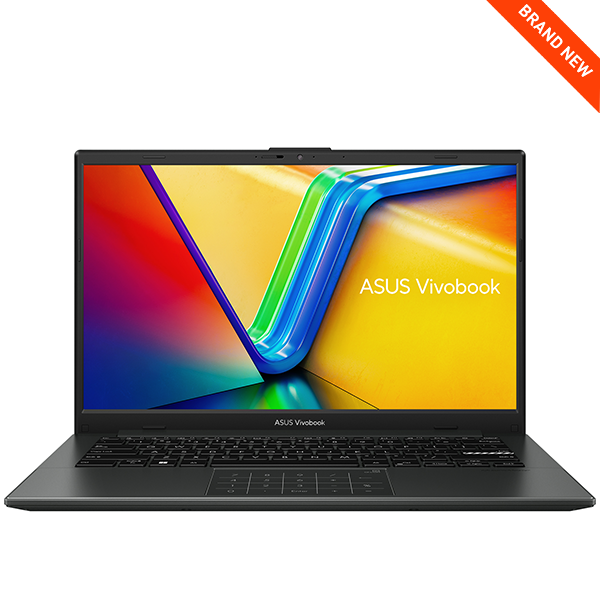
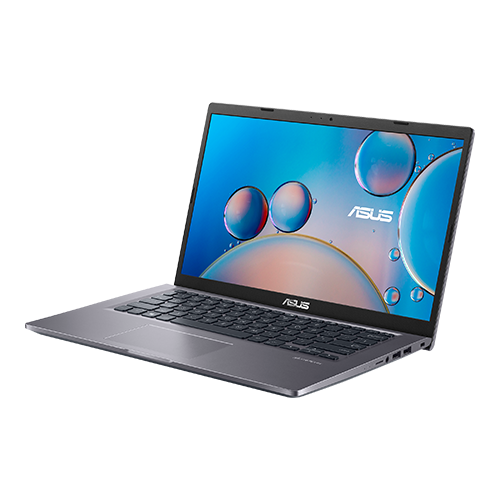
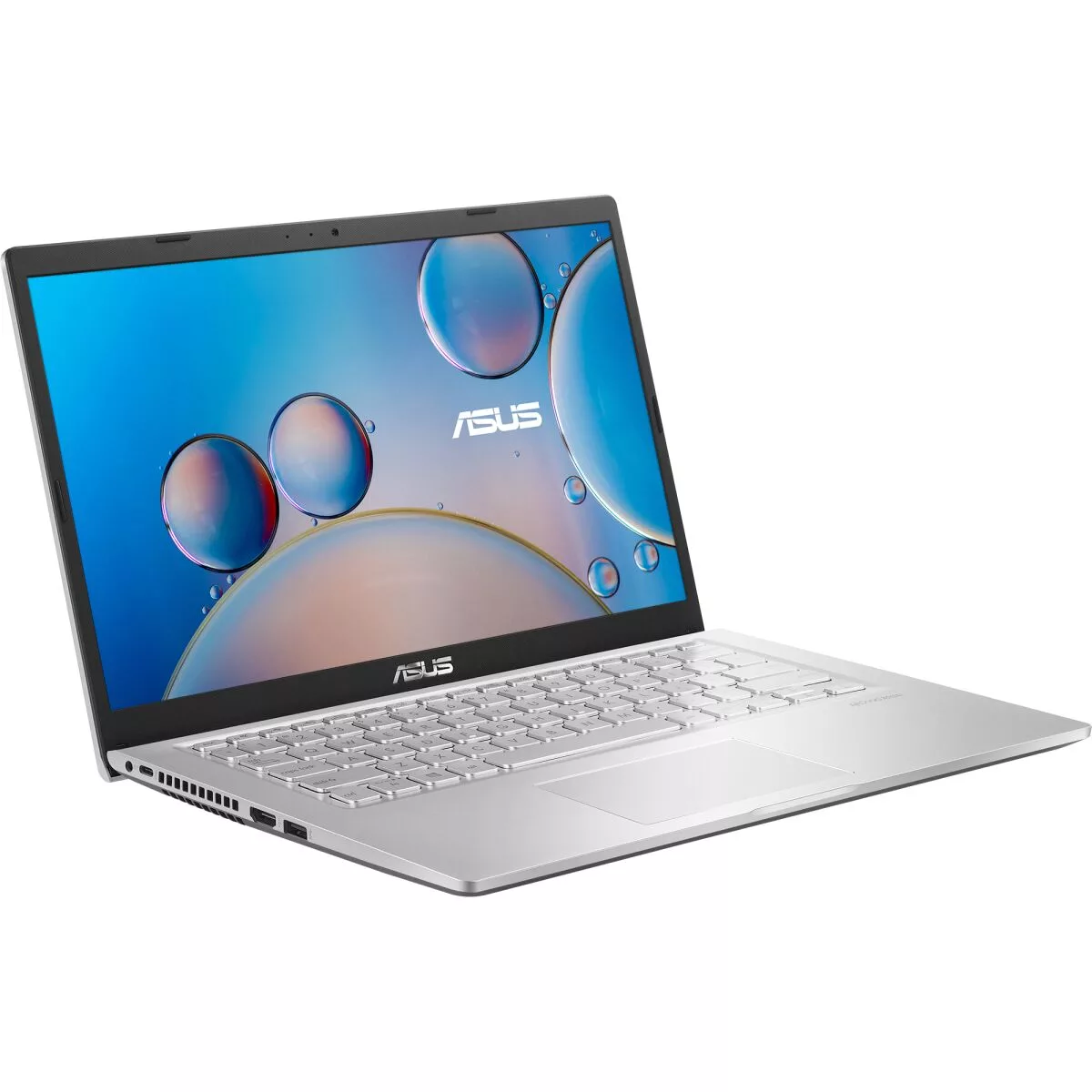
ASUS X415MA Intel Celeron N4020
$54.05
$72.97
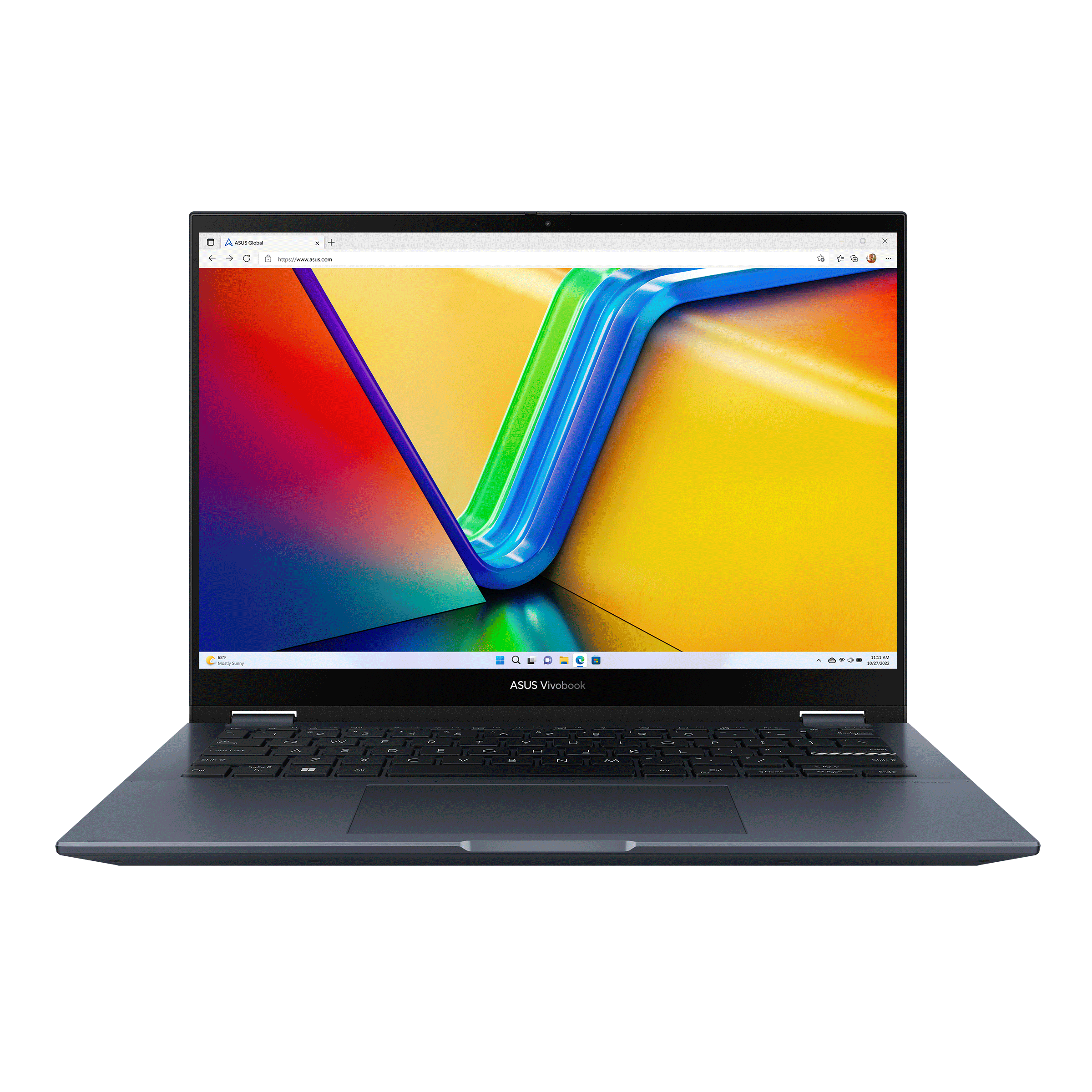
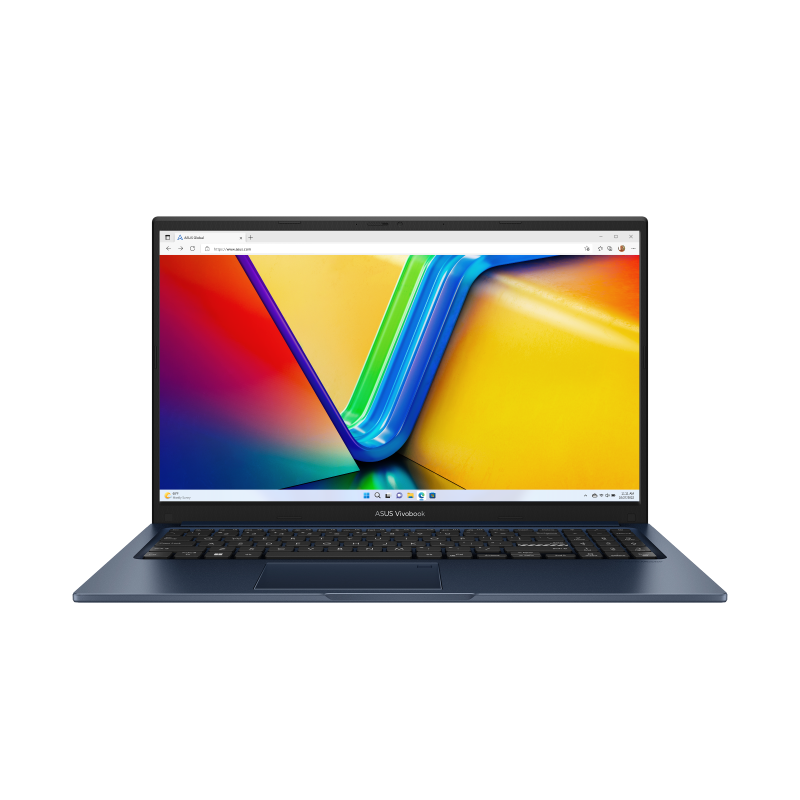
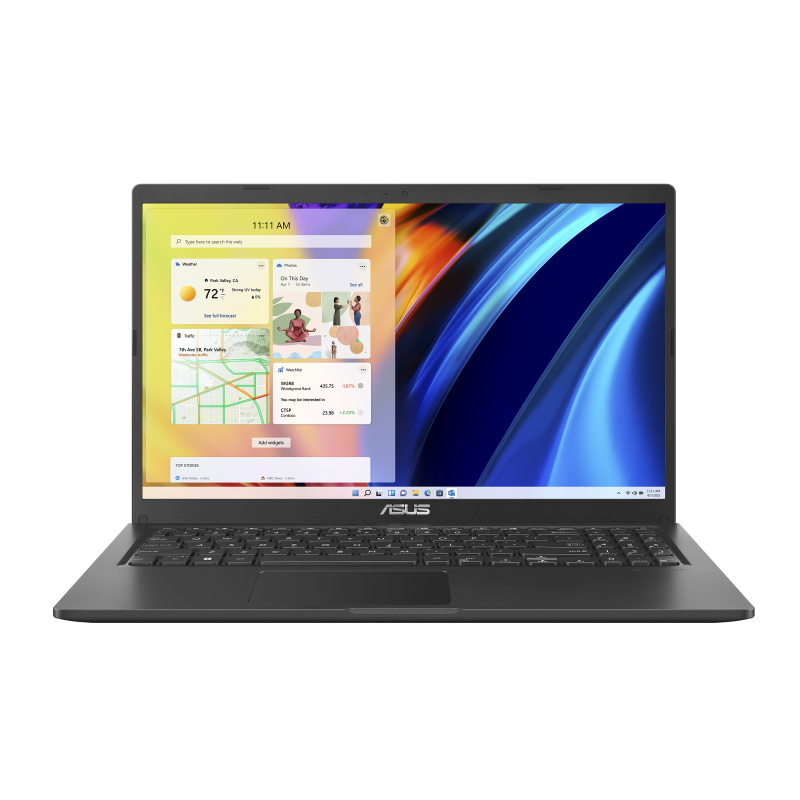
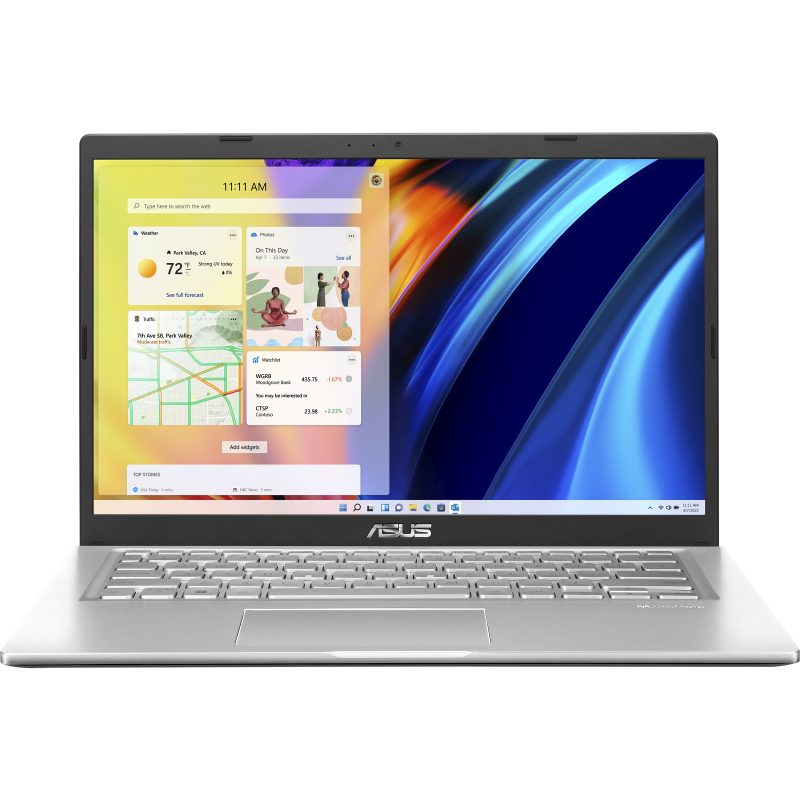
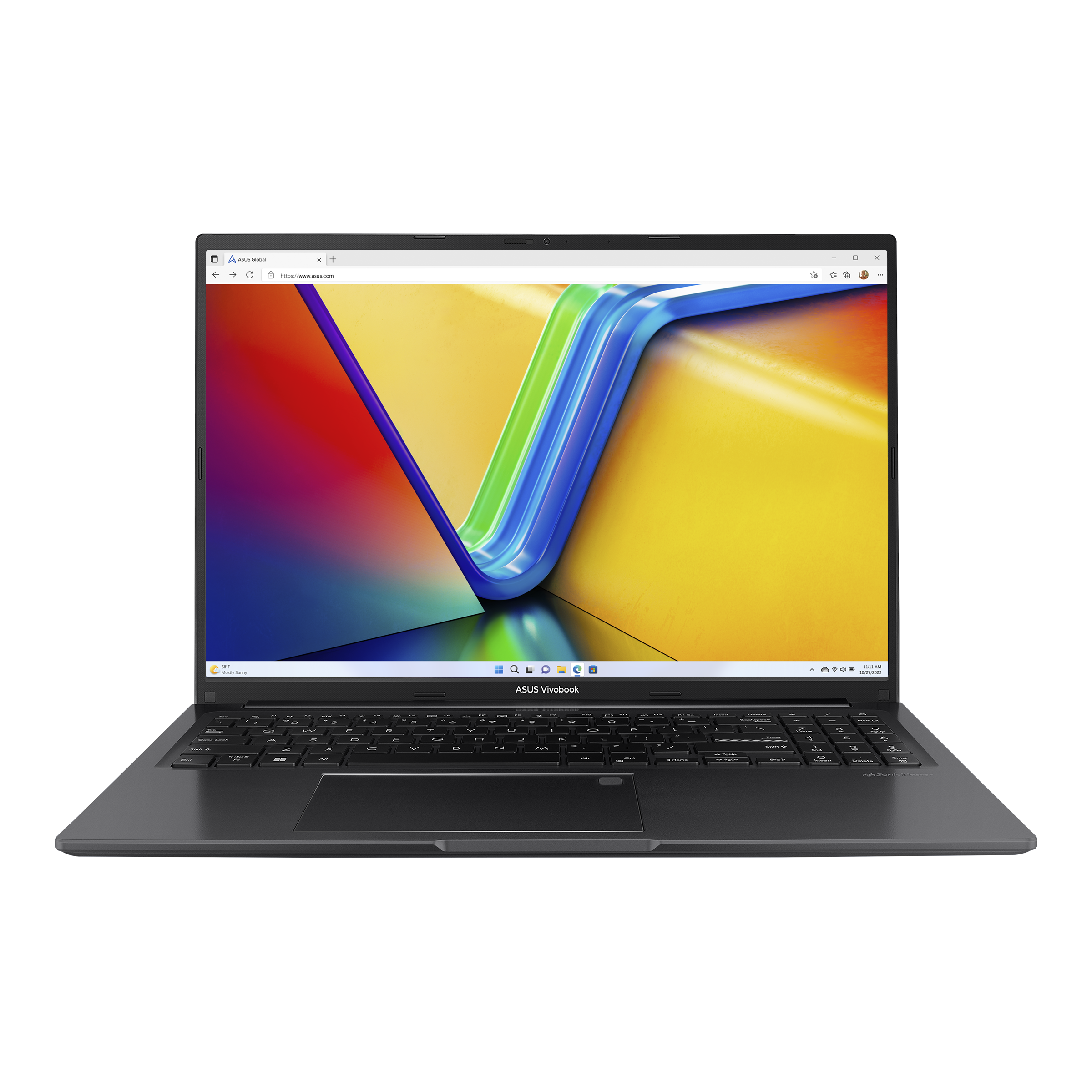
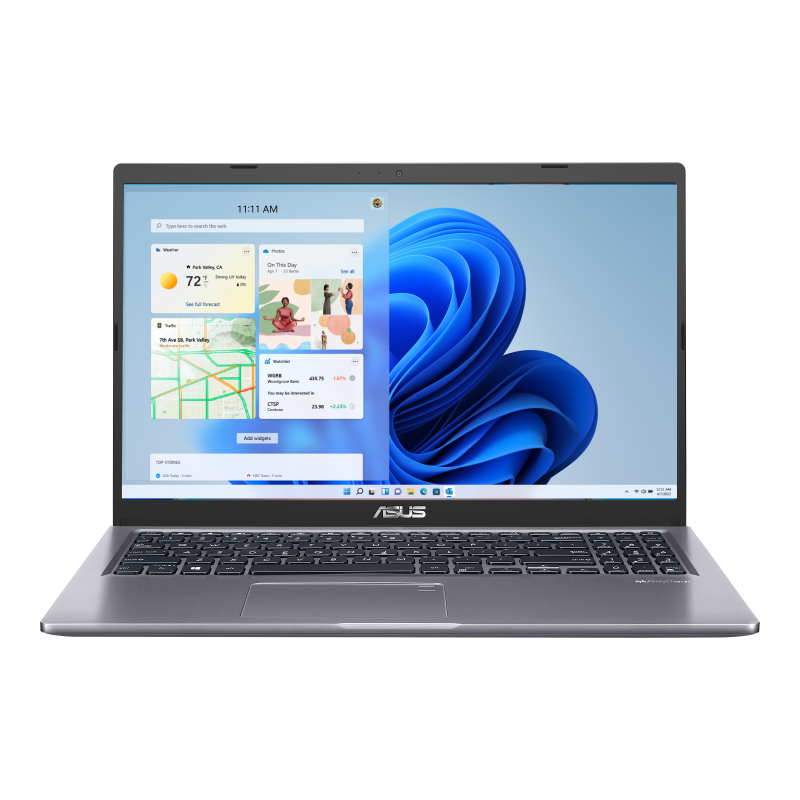
Description ASUS X415MA Intel Celeron N4020 Key Specifications Model: ASUS VivoBook 14 X415MA (e.g., BV188T, BV365W, BV011W) with Intel® Celeron® N4020 processor (1.1 GHz base, up to 2.8 GHz turbo, 4 MB cache; dual-core, dual-thread) Graphics: Intel UHD Graphics 600, integrated Memory: Typically ships with 4 GB DDR4 soldered/on-board; plus 1 SO-DIMM slot for expansion (up to 8 GB total) Storage: Configurations include 256 GB M.2 NVMe SSD, 1 TB 5400 RPM SATA HDD, or combinations supported via M.2 drive bay Display: 14″ HD (1366 × 768, ~200 nits, 45% NTSC) or some FHD (1920 × 1080, ~220‑250 nits, IPS‑level, NanoEdge) depending on SKU; non‑touch, anti‑glare, 82% screen‑to‑body ratio Ports & I/O 1 × USB 3.2 Gen 1 Type‑A 1 × USB 3.2 Gen 1 Type‑C 2 × USB 2.0 Type‑A 1 × HDMI 1.4 1 × 3.5 mm audio combo jack DC‑in port; micro‑SD card reader available on select models Keyboard, Trackpad & Inputs Chiclet keyboard, ~1.4 mm key travel Some SKUs include backlit keyboard (optional) and support ASUS NumberPad 720p HD (VGA) webcam Built‑in microphones; SonicMaster audio by ICEpower Connectivity & Battery Wi‑Fi 5 (802.11ac, single‑stream) and Bluetooth 4.1 or 5.1 depending on region Battery: 37 Wh, 2-cell Li‑ion Power adapter: 33 W (19 V, 1.75 A) or 45 W depending on configuration (usually 33 W for Celeron models) Design & Weight Weight: ~1.5 kg (without battery), ~1.6 kg with battery Dimensions: approx. 325 × 216 × 19.9 mm (W × D × H) for most models Build: plastic chassis available in Transparent Silver or Slate Grey finishes Real-World Feedback Reviewers note that the build quality is acceptable and the CPU stays cool under light use Screen quality is average—some users describe it as slightly washed out—but battery life and keyboard (backlit) are highlights for the price point Mixed impressions: Redditors warn that the N4020 is a low-tier processor, and pairing it with just 4 GB RAM and eMMC storage can mean frequent swap, sluggish usability, and poor multitasking Upgrade Potential Optional SO‑DIMM RAM slot for upgrading to up to 8 GB total (e.g., adding 4 GB module) improves multitasking a bit. Storage upgrades: adds M.2 SSD or swap out/add HDD for better performance and capacity. Note: No support for dual-channel on single-channel base, so UHD Graphics remains minimal. Pros & Cons Pros Very affordable entry-level laptop, ideal for basic tasks Lightweight and compact, great portability Quiet operation with low heat USB-C port and optional backlit keyboard on some models Cons Celeron N4020 is underpowered for modern multitasking or heavy apps 4 GB RAM is limiting; Windows will frequently swap Some models shipped with eMMC storage, which is slower than SSD Display resolution (1366×768) and color gamut are basic Battery life modest—expect around 4–5 hours of light use Who It’s For Best suited for students or casual users needing light web browsing, word processing, email, and video calls. Not recommended for any heavier workflows like multiple browser tabs, photo editing, programming, or gaming. Ideal if price sensitivity and portability are top priorities, and frequent updates/upgrade path are planned. Quick Specs Table Component Specification CPU Intel Celeron N4020 (1.1–2.8 GHz, 2C/2T) Graphics Intel UHD 600 integrated RAM 4 GB DDR4 onboard up to 1× slot (max 8 GB) Storage 256 GB SSD or 1 TB HDD (M.2 bay supported) Display 14″ HD (1366×768) or some FHD IPS (1920×1080) Ports USB‑A, USB‑C, HDMI, audio jack, micro‑SD reader Wi-Fi / BT Wi‑Fi 5 / Bluetooth 4.1–5.1 Battery 37 Wh, 2-cell Li‑ion (~33–45 W charger) Weight & Dimensions ~1.6 kg; 325×216×19.9 mm Extras SonicMaster audio, keyboard (backlit optional) Tips to Improve Experience Upgrade storage to an SSD rather than eMMC or HDD for snappier boot and app loading. Add RAM to reach at least 8 GB if possible. Stick to lightweight apps and avoid Chrome with many tabs open. Consider using lightweight Linux distributions if Windows performance is too sluggish.
Asus Laptops